
Strategy
·10th June 2026
·4 min read
A Trend Is Not a Product Brief
How skincare ideas are translated into structured, buildable product decisions, before formulation begins.
Nadia Zarrouk
Coseer Co-founder and Cosmetic Engineering Consultant
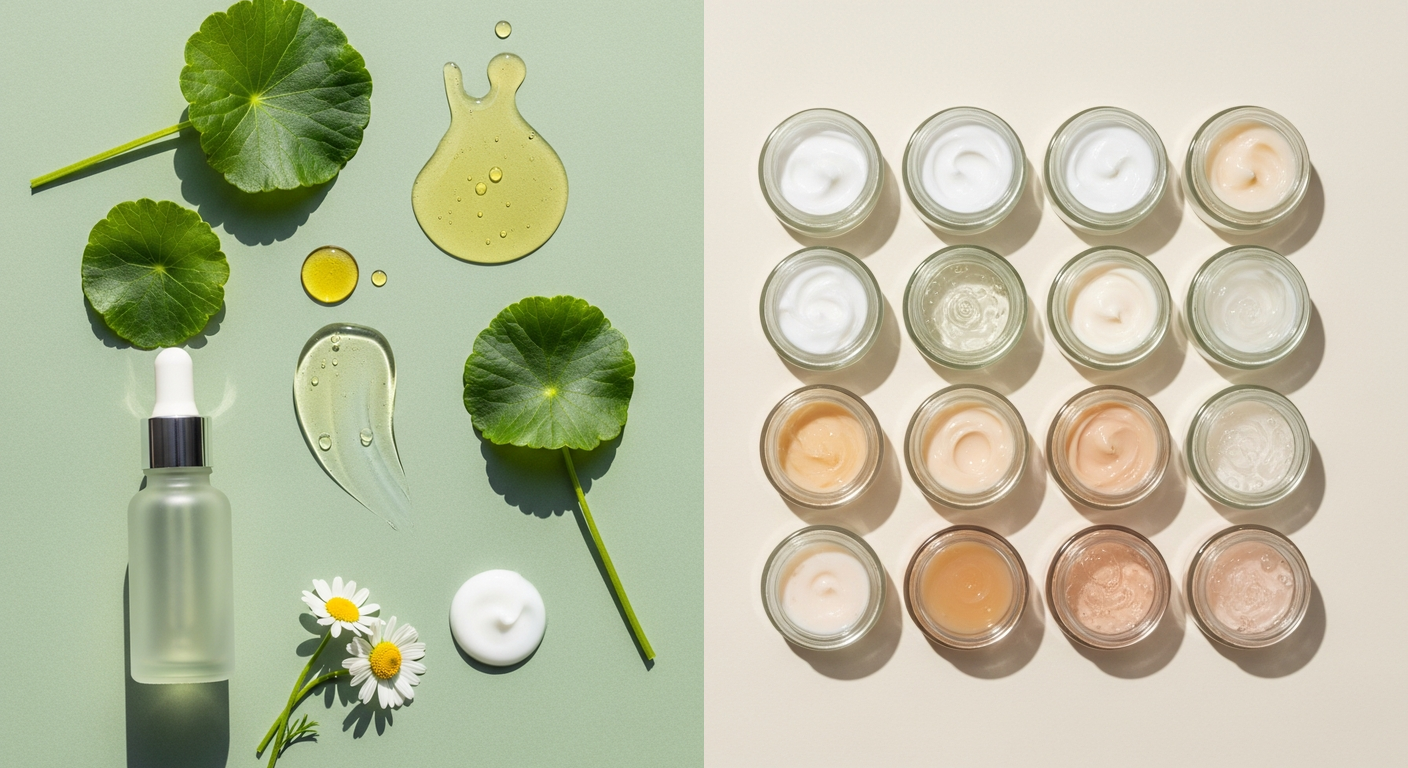
Where product ideas start
Most skincare products begin with a result in mind.
A founder may want a brightening product, a glass skin finish or something inspired by Korean skincare. These references are useful. They give direction and capture what the product should achieve.
But at this stage, nothing is defined yet.
“Brightening” can mean dark spots, uneven tone or radiance. “Glass skin” may refer to hydration, smoothness or light reflection.
When that definition is missing, decisions are simply postponed. They tend to reappear later, during formulation or testing, when constraints begin to surface.
This is often when projects start to feel complex, not because the idea is wrong, but because it has not yet been translated into something that can be built.
What trends actually describe
Trends do not describe products in technical terms. They describe outcomes.
They express how the skin should look, feel or behave. But in development, outcomes are not built directly. They must be translated into decisions.
A “brightening” product is not one formula. It depends on the objective, the format and how performance is expected to evolve over time.
A “glass skin” effect is not one ingredient. It results from a combination of hydration, texture and surface behaviour.
Until these elements are defined, the product remains an intention rather than a formulation.
The translation gap
Between a trend and a product, there is a gap.
A trend describes a result. A product requires structure.
To move from one to the other, the idea must be translated into decisions: what the product targets, how it will be delivered and under which constraints it must operate.
Without this step, development becomes reactive.
The laboratory starts exploring options, adjusting textures or testing ingredient combinations without a clear framework. What looks like progress is often a sequence of iterations driven by uncertainty.
This is where time is lost.
Not because the concept is unclear, but because it has not yet been converted into something that can guide formulation in a structured way.
From trend to product: the brightening example
“Brightening” is one of the most common skincare directions, yet it does not define a single product.
It can refer to reducing dark spots, evening tone or improving radiance. Each leads to different choices.
A brightening serum may focus on targeted delivery with concentrated actives. A brightening cream may prioritise comfort and gradual improvement. A gel may emphasise freshness and fast absorption.
Each format implies different structure, behaviour and constraints.
To move from idea to product, several decisions must be clarified:
- what type of brightening is targeted
- which product format is appropriate
- which ingredient pathways are relevant
- what level of intensity is realistic
Until these are defined, formulation remains exploratory.
This is where projects often lose time. Not because the idea is unclear, but because it has not yet been translated into a structured direction.
Why it becomes difficult in practice
Even when the direction is clear, constraints quickly shape what can be developed.
Some active ingredients used for brightening are unstable and sensitive to light, air or pH. This affects both formulation and packaging.
Compatibility is another factor. Certain ingredients cannot be combined easily without affecting stability or texture, which may require simplifying the formula.
Sensorial expectations also create tension. A lightweight serum is expected to absorb quickly, but achieving this while maintaining effectiveness is not always straightforward.
Testing adds further constraints. Claims must be supported, which influences timelines and formulation choices.
What starts as a simple idea is, in practice, a set of interdependent decisions.
Without a clear translation stage, these constraints tend to appear later, when they are more difficult to manage.
The Coseer perspective
At Coseer, product development starts with translation.
We work with founders to turn a trend, an idea or a reference into a set of clear product decisions; defining the objective, the format and the constraints before any laboratory work begins.
Because once that direction is structured, development becomes more controlled.
The laboratory is no longer trying to interpret the idea. It is working to build something that has already been defined.
This is what allows projects to move forward with clarity and reduces the need for late adjustments.
A trend can inspire a product. But only a structured brief can make it buildable.
Have a product idea you want to translate into a structured brief?
Related Articles

Strategy
10th March 2026
·6 min read
Before You Brief a Lab: Why Skincare Feasibility Reviews Matter
A focused review of a product concept identifies major gaps and inconsistencies before laboratory development begins.
Read Article →
Product Development
10th April 2026
·3 min read
The Hidden Journey of a Skincare Product: From Brief to Shelf
From concept to shelf, skincare isn't made, it's engineered. Every product is the result of hundreds of high-impact decisions.
Read Article →
Strategy
10th January 2026
·3 min read
Cosmetic Engineering: The Future of Beauty Product Development
Cosmetic engineering is transforming how high-performance beauty products are built, with structure, science and long-term impact in mind.
Read Article →