
Strategy
·10th August 2026
·5 min read
Skincare Texture: Why Great Formulas Get Abandoned
A brand is built on the second purchase, not the first. What decides it is rarely the ingredient list. It is how the product feels, and that is engineered from the start.
Nadia Zarrouk
Co-Founder & Cosmetic Engineering Consultant
A strong first product is not yet a business. The first purchase can be won on a striking claim, a beautiful bottle or a moment of curiosity. The second is won on something quieter and far harder to fake: whether the customer enjoyed using the first one enough to reach for it again.
This is the gap most founders underestimate. They pour the budget into the ingredient list and treat how a product feels as a finishing touch, then wonder why a launch that sold well in month one never built the returning customer that makes a brand. The second bottle is where a business is made, and it is decided long before the customer opens the first.
The purchase that builds a business
Repurchase is the number a founder should build towards from the first brief. A single sale can be bought with marketing; a business is built on the customer who comes back without being persuaded again. Yet abandonment is common.
A consumer survey by The Body Shop found that unused and abandoned skincare in UK homes adds up to more than £1 billion: an average of two products per person, bought and then left at the back of a cupboard.
Source: The Body Shop consumer survey, via Professional Beauty
Novelty wins the first purchase. More than a quarter of people say they drop a product simply because something newer caught their eye. What holds a customer past that is not another claim, but the experience of the product itself.
What actually decides the second purchase
When a customer decides whether to finish a product, she is not re-reading the ingredient list. She is responding to how it feels: how it spreads, how quickly it absorbs, whether the daily ritual of using it is a pleasure or a small friction. The ingredient earns the first purchase; the texture decides whether the product stays.
Texture is the most visible part of a larger whole formulators call sensoriality: the full felt experience of a product, from pick-up and spread to absorption and the trace it leaves. Texture is where a customer meets it first.
Mintel’s 2026 forecast names sensory experience as the primary driver of purchase, moving texture and feel from a secondary consideration to what sells the product.
Source: Mintel, 2026 Global Beauty & Personal Care Predictions
For a founder, that reframes the sensorial layer entirely. It is not decoration applied over a good formula. It is the part of the formula the customer meets most directly, every time she uses it.
Why a good serum gets abandoned
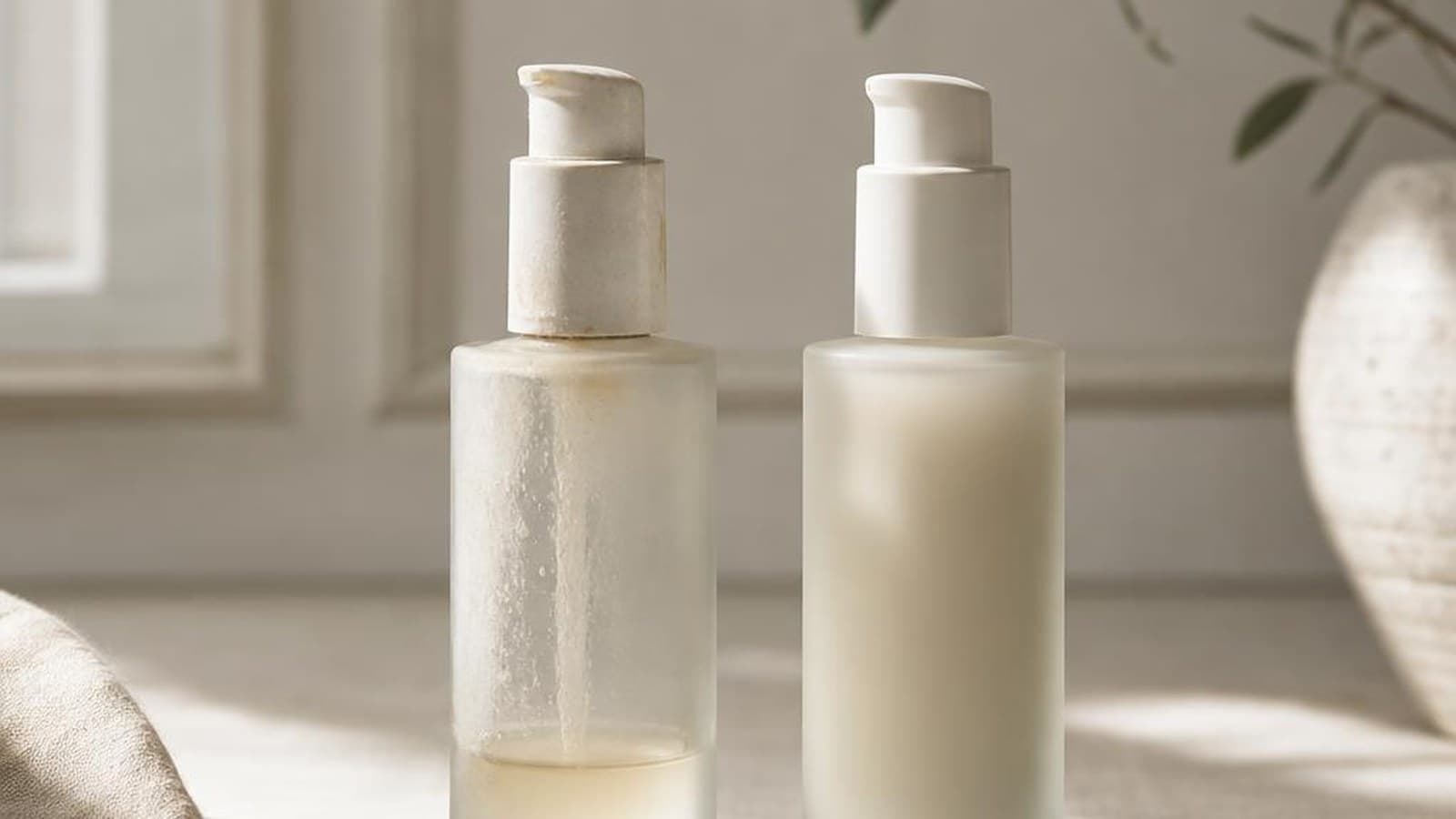
Consider a serum with an excellent actives profile that a customer buys once and never repurchases. The reason is rarely the actives. More often it is that the product pills, rolling into small flecks on the skin instead of absorbing, or leaves a tacky film, or refuses to sit under whatever is layered on top of it.
Pilling is not user error, and it is not bad luck. It is a compatibility problem: certain film-forming polymers, gums and silicones do not disperse cleanly together, and under the friction of application they lift and roll rather than absorb. It is engineered in, or engineered out, at the formulation stage. When it happens, the founder’s carefully chosen actives never get their chance to work. The customer has already decided the product is unpleasant to use.
Texture works against a formula in a quieter way too. How a product feels decides how generously and how often it is used, and so how much of it ever reaches the skin. A pleasant texture is applied freely and every day; a heavy or sticky one is rationed and skipped on a busy morning. An active can only work at the amount actually applied, so a texture a customer avoids quietly lowers the very result the formula was built to deliver.
Source: BeautyMatter, on texture in skincare product development
Sensoriality is engineered, and it costs something
A beautiful skin-feel is not free, and this is the part founders rarely see. The slip, the cushion, the fast absorption that make a product a pleasure are built from emollients, polymers and texturising agents that occupy the same finite formula the actives do, and each carries its own trade-offs against stability, cost and how much active can be loaded. Sensoriality is a set of engineering decisions, made early and on purpose.
Left unspecified, those decisions default to whatever the laboratory finds easiest, and the result is a formula that is competent and forgettable: one a customer uses once and does not miss. Specified deliberately, the same formula becomes one she reaches for without thinking, the only thing that builds a second purchase.
The Coseer perspective
At Coseer, the way a product should feel is defined before formulation begins, with the same rigour as the actives it carries. How it should spread and absorb, how it should layer, the ritual it should create: these are set as direction, not left to chance. It is part of ingredient direction, where the sensorial profile is engineered alongside the performance, because in the customer’s hand they are the same thing.
A product can hold the strongest actives available and still fail, if using it is a chore. The brands that earn the second bottle are the ones that treated the experience as engineering from the start.
A customer will forget your ingredient list. She will not forget how the product felt, and that is what makes her buy it a second time.
Building a product customers will actually finish? Ingredient direction defines how it should feel before a formula is briefed.
Related Articles
Strategy
10th July 2026
·5 min read
Multifunctional Skincare: The Real Cost of Doing Everything
The single product asked to do several jobs at once has become skincare’s defining brief, and the hardest to build well. The reason is an engineering one.
Read Article →
Product Development
10th May 2026
·3 min read
Proof Over Promise: How Product Performance Is Really Measured
From claims to consumer trust, performance isn't subjective, it's structured. Discover how cosmetic products are measured, validated and trusted to deliver.
Read Article →